

Industrial Laser Distance Sensor for Railway Alignment and Monitoring
Enhancing Track Safety with Precision Laser Measurement
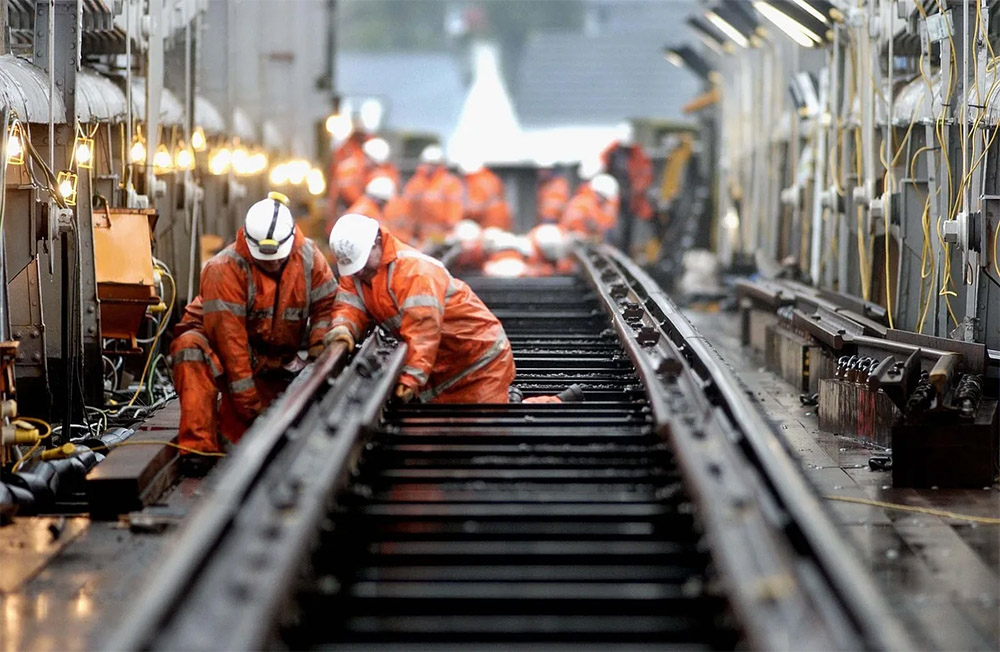
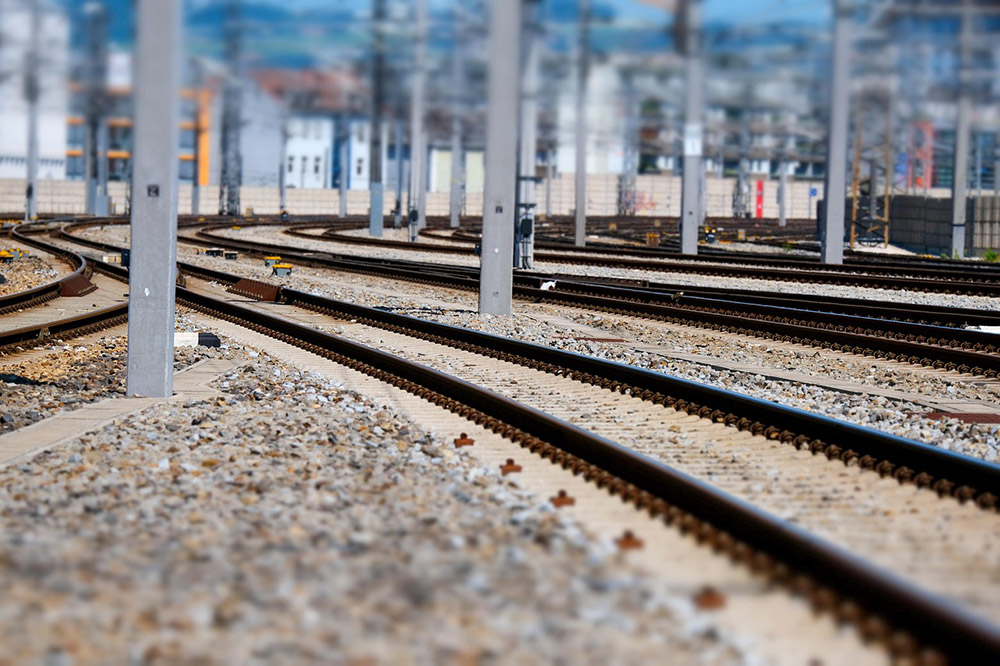
In the field of railway engineering, industrial laser distance sensors are crucial for ensuring accurate track alignment, position detection, and continuous monitoring. Railway operators depend on non-contact, high-precision measurement systems to maintain safety and efficiency under varying environmental conditions.
Conventional alignment checks often rely on manual or optical equipment, which can be slow and prone to errors. In contrast, laser distance sensors use optical phase or pulse technologies to achieve real-time, millimeter-level precision — unaffected by vibration, dust, or temperature changes.
Core Functionality in Railway Applications
1. Track Alignment and Position Detection
Mounted on inspection vehicles or fixed installations, laser sensors measure the exact lateral and vertical displacement of rails. This enables maintenance teams to detect misalignment early and perform timely corrections.
2. Overhead Line and Platform Clearance Monitoring
A high-accuracy laser distance sensor can measure the gap between rails and overhead lines or platform edges, helping maintain compliance with clearance regulations and preventing electrical hazards.
3. Tunnel and Bridge Structure Inspection
Long-range laser sensors are used to check the distance and clearance in tunnels, bridges, and underpasses. With data output up to hundreds of times per second, they enable 3D structural mapping and long-term deformation tracking.
4. Real-Time Track Deformation Monitoring
When integrated with control systems, industrial laser distance sensors allow for continuous monitoring of rail deformation and structural shifts. This supports predictive maintenance and enhances overall safety management.
Advantages of Industrial Laser Distance Sensors
-
High Accuracy: ±1 mm precision ensures reliable alignment results.
-
Wide Measurement Range: From 0.03 m to 3000 m depending on model.
-
High-Speed Sampling: Up to 100 Hz for dynamic data collection.
-
Non-Contact and Eye-Safe: Ideal for automated and harsh environments.
-
Flexible Integration: Supports RS485, RS232, UART, and Modbus communication.
Recommended Models: LDL-T and LDJ-P7 Series
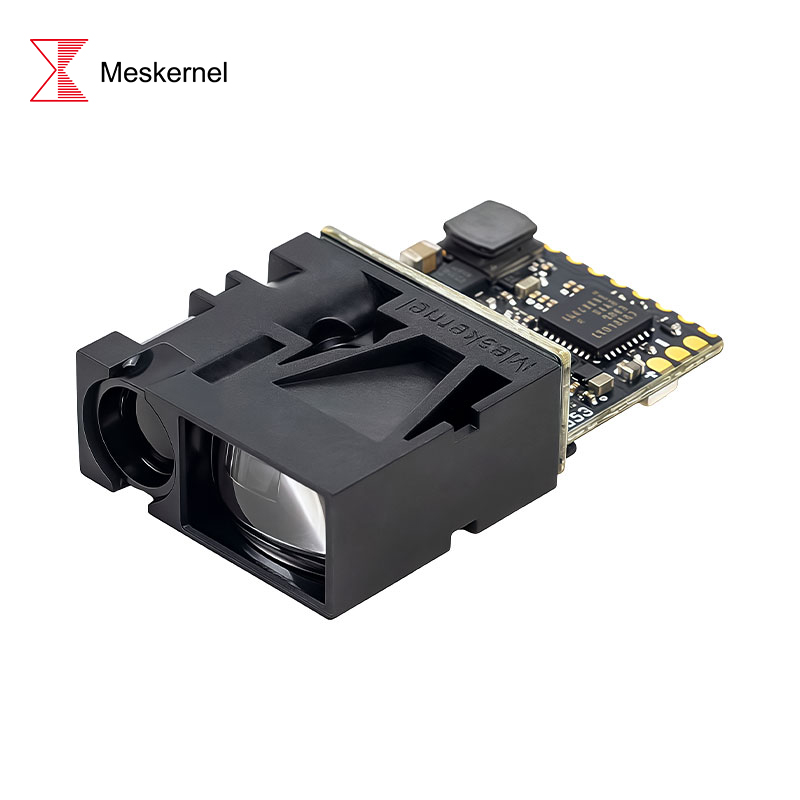
Meskernel offers two sensor models optimized for railway alignment and monitoring tasks:
-
LDL-T Series:
A compact phase-based laser distance sensor with millimeter-level accuracy, suitable for close- to mid-range measurements. Its lightweight 3 g design and frequency up to 100 Hz make it ideal for mobile inspection systems or robotic platforms. -
LDJ-P7 Series:
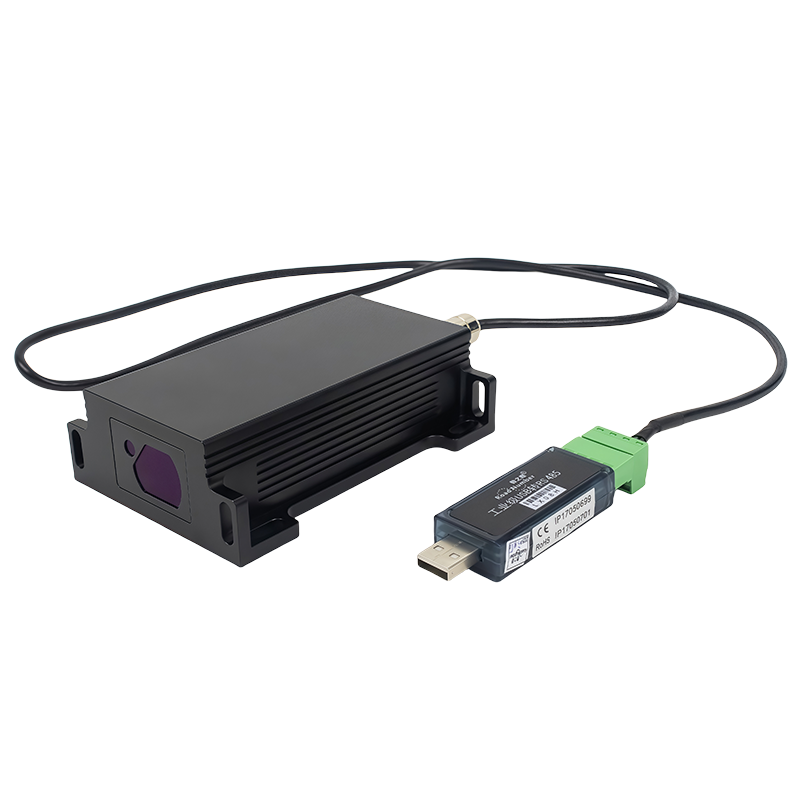
Designed for industrial and outdoor environments, this model features a durable IP67-rated housing that withstands dust, rain, and vibration. The LDJ-P7 ensures reliable operation in complex railway environments such as tunnels, bridges, or open-track monitoring stations.
Both sensors are compatible with Arduino, Raspberry Pi, ESP32, and industrial PLC systems, providing flexible integration for automated railway monitoring applications.
Conclusion
As railways modernize and digital monitoring expands, industrial laser distance sensors such as LDL-T and LDJ-P7 will continue to enhance safety, reliability, and efficiency. Their precision and resilience make them key components in the future of railway alignment and condition monitoring systems worldwide.