

Introduction – Why Laser Distance Measure Sensors Matter
In today’s competitive industrial environment, precision and efficiency define success. Manufacturers and system integrators increasingly rely on advanced sensor technologies to streamline operations. One of the most impactful innovations is the laser distance measure sensor, which enables accurate and real-time distance measurement across diverse applications. Compact and adaptable, these sensors are transforming industries such as industrial automation, logistics, smart agriculture, and intelligent transportation.
Unlike traditional measurement tools, the laser distance measure sensor combines speed, non-contact operation, and millimeter-level accuracy. As industries push toward higher productivity and smarter systems, these sensors serve as a cornerstone of reliable and scalable solutions.
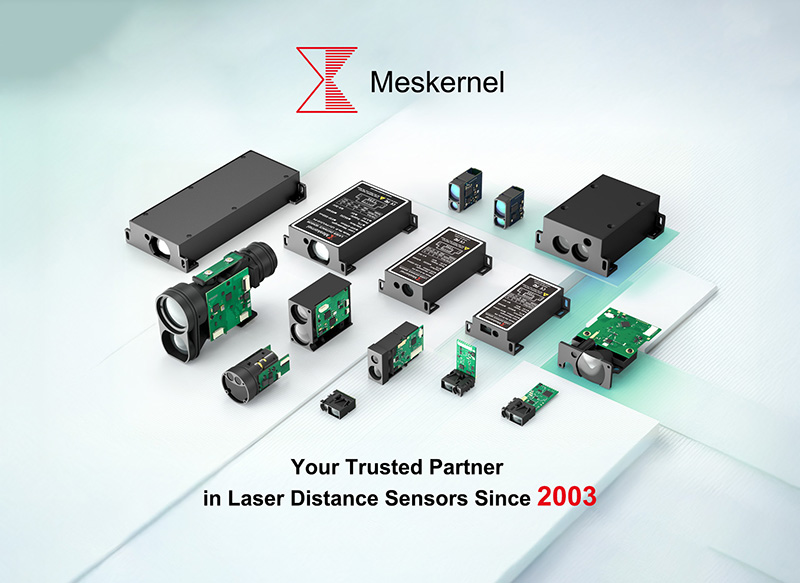
How Laser Distance Measure Sensors Work
Laser distance measure sensors operate on the principle of emitting a laser beam and analyzing the reflected signal to calculate distance. Depending on the application, manufacturers adopt different measurement technologies:
-
Phase-shift measurement – delivers high precision for short- to mid-range tasks.
-
Time-of-flight measurement – ideal for long-distance detection with stable accuracy.
By integrating these sensors into industrial machinery, robotics, and monitoring systems, engineers can achieve consistent measurement results with low latency and minimal maintenance.
Applications in Industrial Automation
One of the strongest applications of laser distance measure sensors is in industrial automation. In smart factories, robots and CNC machines require precise position feedback. Sensors ensure alignment during material cutting, welding, or component placement, which reduces errors and improves efficiency.
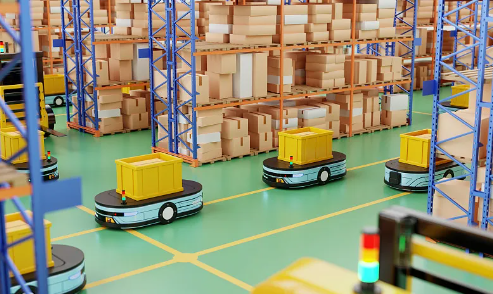
In warehouse automation, sensors guide automated guided vehicles (AGVs) and robotic arms, ensuring accurate navigation and collision avoidance. This not only enhances worker safety but also optimizes production throughput.
By integrating a precision distance measurement module, factories gain consistent performance, reduced downtime, and superior product quality.

Applications in Logistics and Warehousing
The rise of e-commerce and global supply chains has created new challenges in logistics. Companies must process large volumes of packages quickly while maintaining high accuracy.
Compact laser distance measure sensors are used in:
-
Conveyor belt systems to measure package dimensions and optimize sorting.
-
Automated storage and retrieval systems to ensure shelves and pallets are accurately positioned.
-
Barcode and scanning solutions to validate distances for optical recognition systems.
These applications help logistics operators improve workflow efficiency and reduce human error.
Applications in Smart Agriculture
Agriculture is increasingly adopting precision technology to maximize yields and minimize waste. Laser distance measure sensors play a key role in:
-
Crop height monitoring for automated growth analysis.
-
Irrigation systems that adjust water delivery based on terrain distance measurements.
-
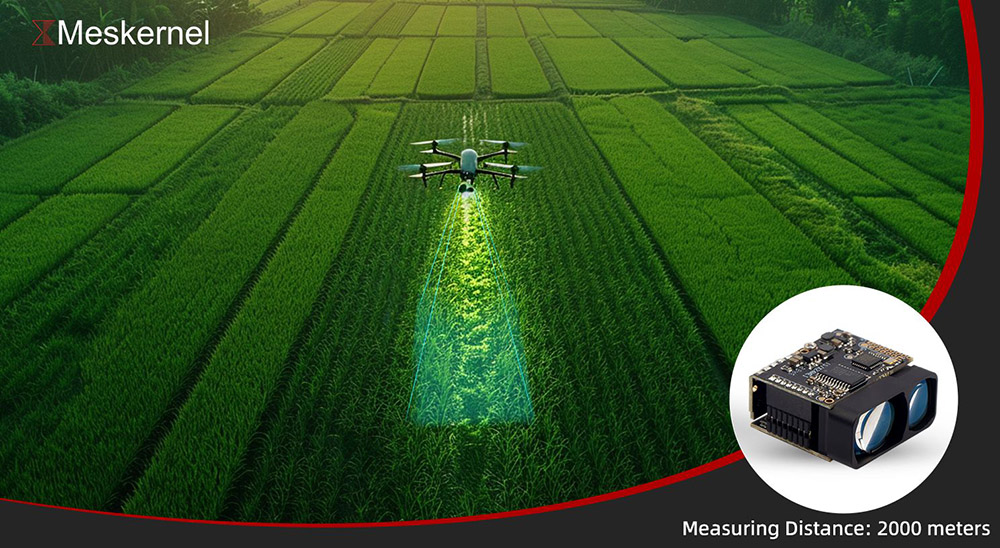
Agricultural drones that use sensors to maintain stable flight and capture accurate field data.
These solutions empower farmers with better data, helping them improve productivity while reducing resource usage.
Applications in Transportation and Smart Cities
The global trend toward smart cities is driving the adoption of intelligent traffic and transportation systems. Laser distance measure sensors enable:
-
Traffic monitoring by measuring vehicle distance and speed.
-
Public transport safety systems such as collision detection in autonomous buses.
-
Smart parking solutions to guide drivers to available spaces with precision.
This contributes to smoother urban mobility, safer transportation, and reduced congestion.
Advantages of Compact Sensor Design
The compact size of today’s laser distance measure sensor solutions makes them highly versatile. Advantages include:
-
Space-saving integration in small devices and robotics.
-
Lightweight design ideal for drones and handheld equipment.
-
Energy efficiency for longer operating time in battery-powered systems.
This makes compact laser sensors not only a high-performance choice but also a cost-effective solution for a wide range of industries.
Future Outlook of Laser Distance Measure Sensor Technology
The demand for precision laser sensors is expected to rise as industries continue to adopt automation, robotics, and smart infrastructure. With advancements in AI integration, IoT connectivity, and real-time analytics, the next generation of sensors will offer even greater intelligence and adaptability.
For manufacturers and businesses seeking to stay competitive, adopting laser distance measure sensors is no longer optional—it is a strategic necessity.
Conclusion
From factories to farms, and from warehouses to smart cities, the laser distance measure sensor is redefining precision across industries. Compact, reliable, and highly adaptable, these sensors are essential for building the next generation of intelligent systems.
By investing in this technology, businesses can enhance efficiency, reduce costs, and position themselves at the forefront of industrial innovation.