

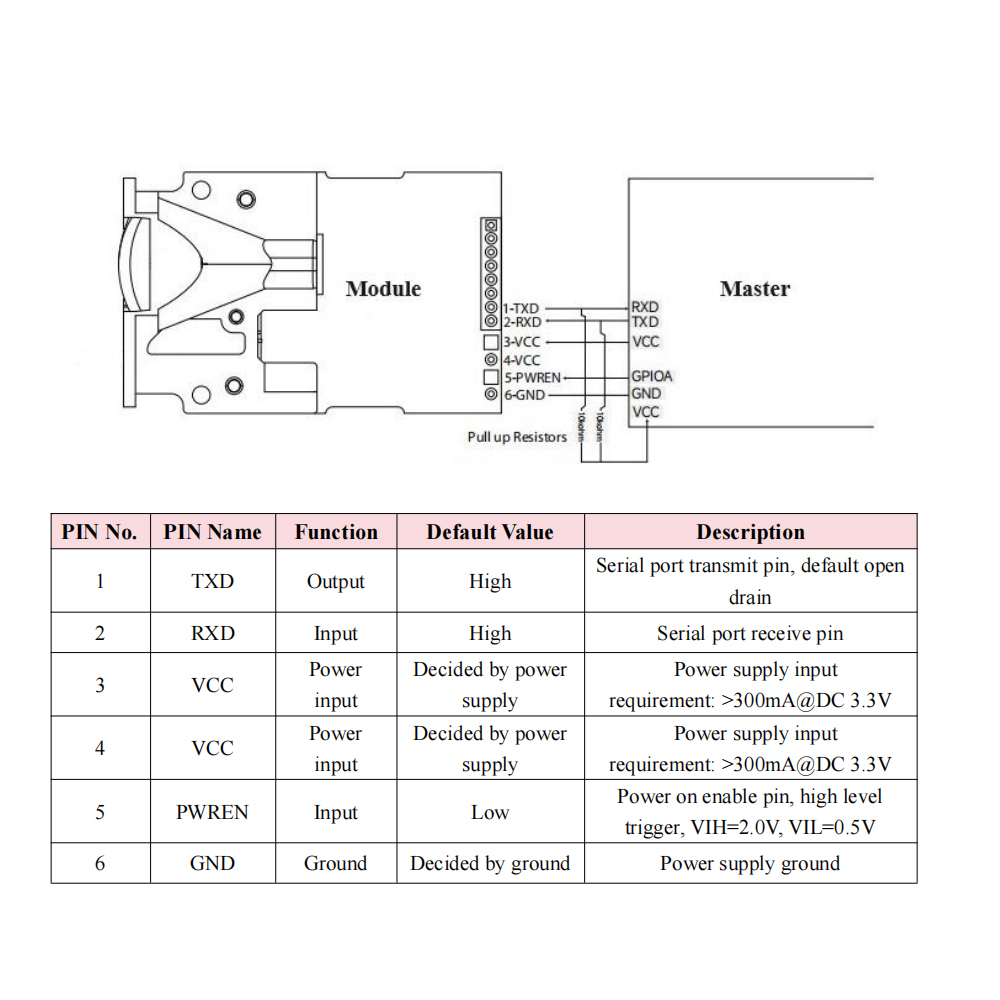
1. Identify Requirements and Choose the Right Laser Sensor Module
Before integration, it's crucial to clarify the requirements of the existing equipment. For example, is long-range measurement necessary? Are there high demands on measurement accuracy? Choosing the right laser sensor module is vital. Different models of laser sensors have varying measurement ranges, accuracies, and output types. Ensure that the selected sensor is compatible with the existing equipment and meets the technical requirements.
2. Match Interfaces and Protocols
When integrating a laser sensor module, you must ensure that its output interfaces match the input ports of the device's control system. Common output interfaces include analog signal output, digital signal output, I2C, RS232, etc. If the existing device supports any of these interfaces, you can easily connect them through adapters or conversion modules. Additionally, it's essential to ensure that the laser sensor supports the communication protocol used by the device's control system.
3. Physical Installation and Debugging
The physical installation of a laser sensor usually requires consideration of the sensor's measurement angle, beam direction, and the installation space of the device. Depending on the application scenario, precise positioning and calibration of the sensor may be required. During the debugging phase, carefully inspect the sensor's measurement data to ensure it aligns with the operational state of the existing equipment.
4. Data Collection and Processing
Laser sensor modules typically exchange data with the device's control system through output signals. During integration, ensure that the device can correctly collect sensor data and process it in real-time. For instance, the control system can analyze the sensor data and automatically adjust the equipment's operational parameters to achieve precise operations and monitoring.
5. Testing and Optimization
Once the integration is complete, comprehensive testing of the system is necessary to ensure that the laser sensor operates correctly under various conditions. Based on the test results, sensor parameters can be optimized to ensure system stability and reliability during long-term operation.
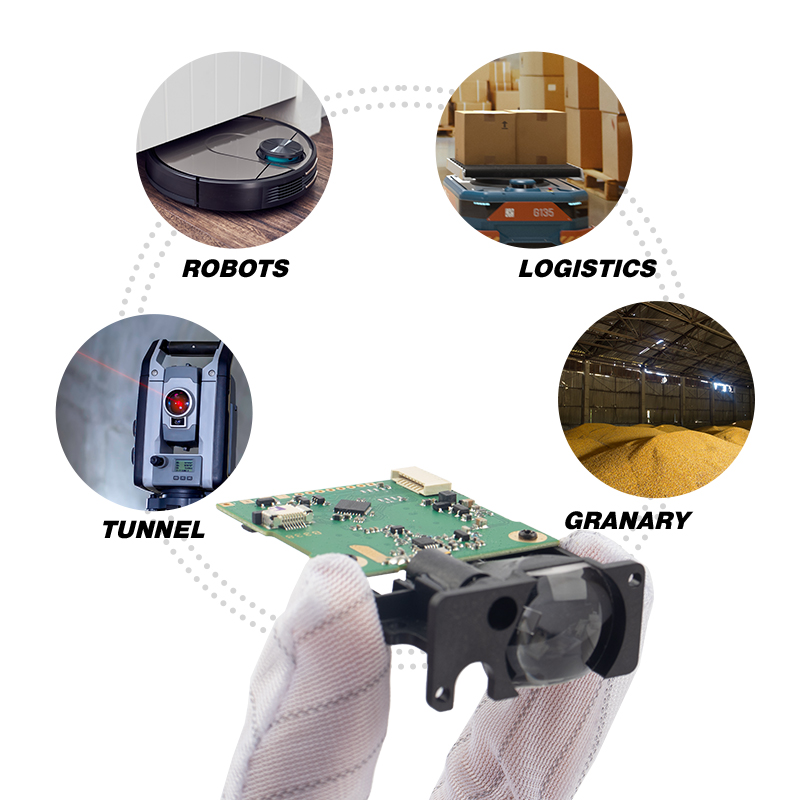
By following these steps, laser sensor modules can be efficiently integrated into existing equipment, providing accurate measurement capabilities and enhancing the intelligence of the equipment. With the development of technology, laser sensors will play a more significant role in various fields, driving the continuous advancement of industrial automation.