

Key Parameters to Consider When Selecting a 905nm Laser Rangefinder Module
Selecting a 905nm Laser Rangefinder Module is a technical decision that directly impacts system accuracy, reliability, and long-term performance. While many modules appear similar on specification sheets, real-world results depend on how well key parameters align with application requirements.
This article breaks down the most important parameters engineers and system integrators should evaluate when selecting a 905nm laser rangefinder module, helping avoid common pitfalls and ensuring optimal performance across industrial and autonomous applications.
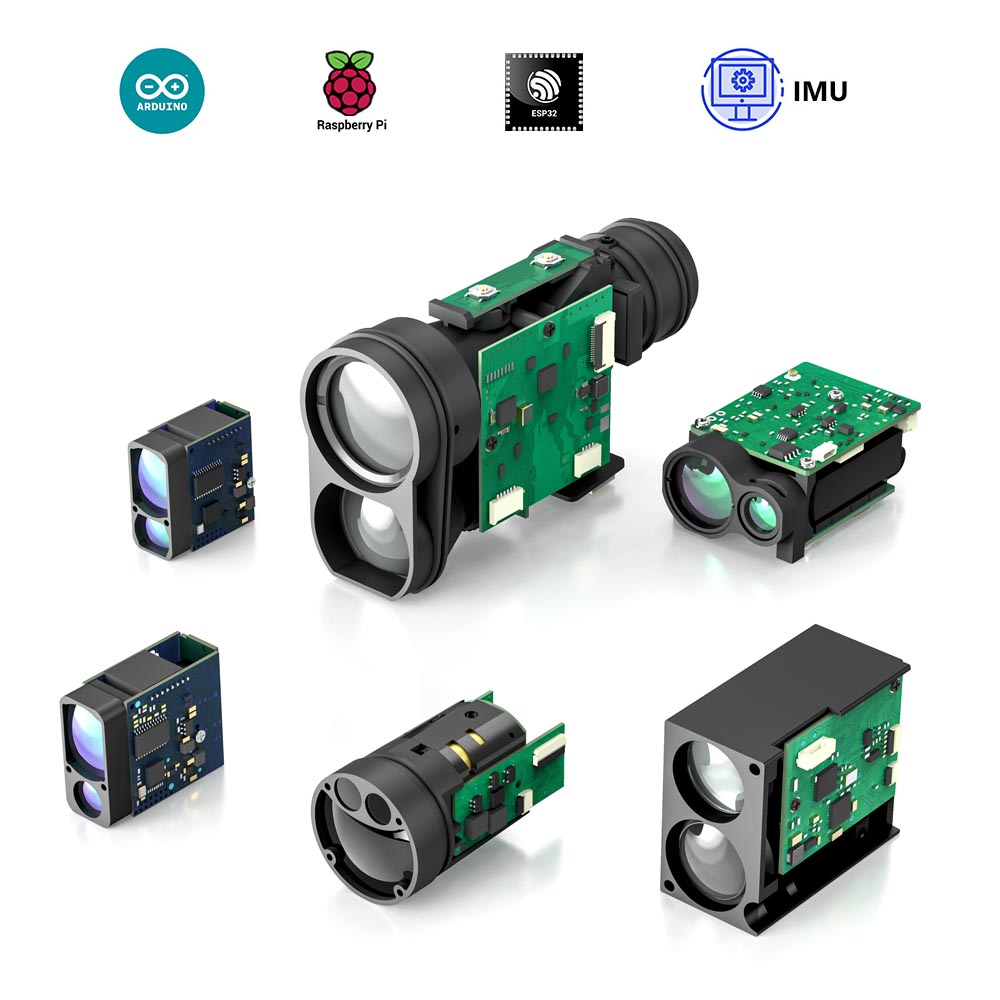
1. Measurement Range: Practical Distance vs Theoretical Maximum
Measurement range is often the first specification users compare. However, the stated maximum range of a 905nm Laser Rangefinder Module is usually measured under ideal laboratory conditions.
When evaluating range, consider:
-
Target reflectivity
-
Ambient light conditions
-
Atmospheric interference (fog, rain, dust)
For applications requiring outdoor or long-distance detection, a long range laser rangefinder module with strong signal processing and optical design is essential. For short-range industrial systems, over-specifying range can unnecessarily increase cost and power consumption.
Key takeaway: Choose a range that matches real operating conditions, not just the highest number on the datasheet.
2. Accuracy and Repeatability
Accuracy defines how close the measured distance is to the true value, while repeatability indicates how consistent measurements remain over time. Both are critical parameters when selecting a 905nm laser rangefinder module.
High-quality modules typically maintain stable accuracy across:
-
Temperature changes
-
Continuous operation
-
Varying target surfaces
In precision automation or positioning systems, even small deviations can accumulate into system-level errors. Always review whether accuracy specifications are provided as typical or guaranteed values.
3. Module Size and Mechanical Integration
Modern systems increasingly demand compact sensing solutions. A small size laser rangefinder module simplifies mechanical integration and reduces overall system weight.
However, miniaturization introduces trade-offs:
-
Smaller optical apertures may reduce long-range performance
-
Thermal dissipation can be more challenging
-
Alignment tolerance becomes more critical
Before final selection, confirm the module’s physical dimensions, mounting options, and alignment requirements to ensure seamless system integration.
4. Power Consumption and Thermal Performance
Power efficiency is especially important for battery-powered systems such as UAVs, mobile robots, and portable devices. A well-designed 905nm Laser Rangefinder Module balances laser output power with signal processing efficiency.
High power consumption can lead to:
-
Increased heat generation
-
Reduced system stability
-
Shortened component lifespan
Evaluate not only average power consumption but also peak current requirements during measurement cycles.
5. Communication Interface and Data Output
Interface compatibility determines how easily a module integrates into your control architecture. Common interfaces include UART, RS232, RS485, CAN, and Ethernet.
When selecting a module, verify:
-
Supported communication protocols
-
Data update rate and latency
-
Output format and command structure
An experienced laser rangefinder module supplier will provide complete interface documentation and integration support, reducing development time and system risk.
6. Environmental Robustness
Real-world environments are rarely ideal. Environmental parameters play a major role in long-term reliability.
Key environmental considerations include:
-
Operating temperature range
-
Resistance to vibration and shock
-
Protection against dust and moisture
A robust 905nm Laser Rangefinder Module is designed to maintain stable performance under harsh industrial or outdoor conditions, minimizing downtime and maintenance.
7. Laser Safety and Regulatory Compliance
Laser safety is a non-negotiable requirement in many markets. Most 905nm laser rangefinder modules are designed to comply with Class 1 laser safety standards, ensuring safe operation around humans.
Always confirm:
-
Laser safety classification
-
Compliance with relevant international standards
-
Documentation availability
This is particularly important for applications in public environments or regulated industries.
8. Supplier Capability and Manufacturing Quality
Beyond specifications, supplier capability directly affects product consistency and long-term availability. Working with a reputable laser rangefinder module manufacturer ensures stable quality across production batches.
Evaluate suppliers based on:
-
Manufacturing experience
-
Quality control processes
-
Calibration and testing procedures
-
OEM and customization capabilities
A reliable laser rangefinder module supplier acts as a long-term partner rather than just a component vendor.
9. Cost vs Lifecycle Value
While unit price is important, total lifecycle cost provides a more accurate evaluation. Lower-cost modules may require additional calibration, maintenance, or replacement over time.
Balancing performance, reliability, and supplier support often delivers better long-term value than focusing solely on initial cost.
Conclusion
Selecting the right 905nm Laser Rangefinder Module requires careful evaluation of range, accuracy, size, power consumption, interfaces, environmental robustness, and supplier reliability. Each parameter plays a critical role in system performance and long-term stability.
Whether your application demands a long range laser rangefinder module for outdoor detection or a small size laser rangefinder module for compact embedded systems, a structured parameter-based evaluation ensures confident and informed decision-making. Partnering with an experienced laser rangefinder module manufacturer further reduces risk and supports successful system deployment.